CASUALLY UNCOMMON
  • LOOKBOOK
  • ABOUT
  • BLOG
  • Videos
  • CONTACT

My Blog

You've made it!

What if the proceeds from leopard print items went to support our dwindling leopard population?

12/16/2013

2 Comments

 
Picture
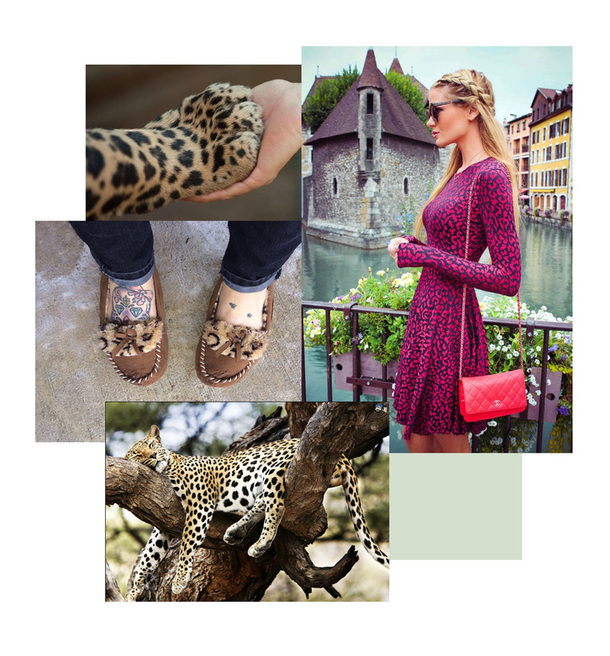
I personally can't stand leopard print anything, that's just me but I still wear it and also I HAVE A QUESTION. Could leopard print be used to save real leopards in the wild?. WHAT IF companies such as Bebe, Betsy Johnson and Charolette Russe were to donate a percentage of their leopard print product revenue on protecting this species. Supporting wild life refugees could be a great move for their PR, and the timing couldn't be better. Below are the species of leopard that have no more than 50 adults left.
  • Amur Leopard - Panthera pardus orientalis
  • Caucasian Leopard - Panthera pardus ciscaucasica
  • North China Leopard - Panthera pardus japonensis
  • Indochina Leopard - Panthera pardus delacouri
  • Sri Lanka Leopard - Panthera pardus kotiya
And there are few species of leopard that have more than 1000 members remaining. The snow leopards are becoming the rarest of the large cats left on Earth. They need humans to start noticing this situation and what better way than through the clothes we buy, sell and wear? If a company could put 10% of it's proceeds (specifically it's garments or bags with leopard print: 38 items specifically on Charolettte Russe' online site) towards nurturing the leopard populations back to a health, they could really turn some heads and make a big difference. Aside from an awesome way to support wild life refugees, this would be a great tool for them to real in animal lovers, activists, or anyone who'd like to feel like their purchase is making a difference.
Bring your leopard print wearer closer to impacting the fate of the creature that inspired the print.
I mean, will anyone wear leopard print when there are no leopards? Probably.. but I don't want to see that day!
2 Comments
leopardluvr99
12/17/2013 12:50:06 am

Apparently leopard population declines, like many other large predators, can be attributed to habitat loss ad the encroachment of agriculture and human development. The article I am posting below explains what is happening in Central Asia in regards to snow leopards and cashmere production:

http://news.nationalgeographic.com/news/2013/08/130802-snow-leopard-fashion-cashmere-herders-india-mongolia-trade-science-tibet/
—————————————————————————--
Excerpt:
Mishra also believes that a system of sustainable, wildlife-friendly cashmere could be a key way fashionistas can have their cashmere and protect wildlife while herders continue to profit.

\”Such a program must financially reward farmer communities who provide grazing space for wild ungulates by adjusting livestock density, and who are willing and able to coexist with snow leopards and wolves without persecuting them,\” he said.
———————————————————————————-

This article does pose a solution, but it would take a lot of governmental intervention for financial incentives for habitat conservation and rangeland preservation to be put in place. Hopefully the people of Asia will realize what they have before it is gone.


Read more: Snow Leopards are Fashion's Next Victim | Inhabitat - Sustainable Design Innovation, Eco Architecture, Green Building

Reply
Annmarie123
12/19/2013 10:53:01 am

Thank you leopardluvr99! I agree. This is the perfect article to segway into.

As always, mass production is causing more problems than profit. Forget the fact that REAL cashmere only comes from a few species of mountain goat, lets breed long hair goats with soft hair goats and keep breeding until we have an army of cashmere machines that need lots of food and space.

Then lets stamp our cashmere label onto these products and sell them for cheap. Hopefully the unsuspecting consumer will jump right into that sweater blinded to the true cost of their purchase.

We need to push open a dialogue among cashmere producers, designers, forest officials, activists, and these governments to limit the space used to heard "cashmere" goats and protect the wildlife that overproduction is destroying. Then we've got to educate ourselves and the consumer.

The bottom line is, consumers are the ones who have the power to change the situation. If they stop buying the low grade cashmere, farmers would produce less of it. They may even work towards improving the quality, the breed, whatever. Money is power and if people choose to spend their power more wisely, leopard and camels and all animals wouldn't have to worry about where they stand. We need the people to value precious, rare and endangered species of animals more then they value cheap prices, or deals. That is when the world will change. That is how we can bring all animals peace.

Reply


Leave a Reply.

    The Blarg

    You've found my blog!
    I hope it leaves you informed as well as
    entertained /inspired. 
    I love writing about the
    inspiration and progress with my collections,
     funky fresh fashion I come across daily, and the epic things that are goin' down in the world of FASHION.

    Article Archival 

    April 2020
    February 2019
    November 2018
    July 2018
    November 2017
    September 2017
    June 2017
    May 2017
    April 2017
    March 2017
    February 2017
    January 2017
    November 2016
    October 2016
    September 2016
    August 2016
    July 2016
    May 2016
    February 2016
    September 2015
    August 2015
    June 2015
    May 2015
    April 2015
    March 2015
    January 2015
    December 2014
    November 2014
    May 2014
    April 2014
    March 2014
    February 2014
    January 2014
    December 2013
    September 2013
    July 2013
    June 2013

    Fashion

    All
    Fashion
    Fast Fashion
    People
    San Francisco
    Sustainable
    Textile Waste

    RSS Feed

Powered by Create your own unique website with customizable templates.
  • LOOKBOOK
  • ABOUT
  • BLOG
  • Videos
  • CONTACT